The best budget planners make it easier to match a paper layout to your routine, whether you track spending weekly, by paycheck, or month by month. These picks range from compact beginner-friendly books to larger organizers with cash envelopes and bill pockets, so choose based on the detail and format you will use.
Quick Top Products
Clever Fox Budget Book 2.0
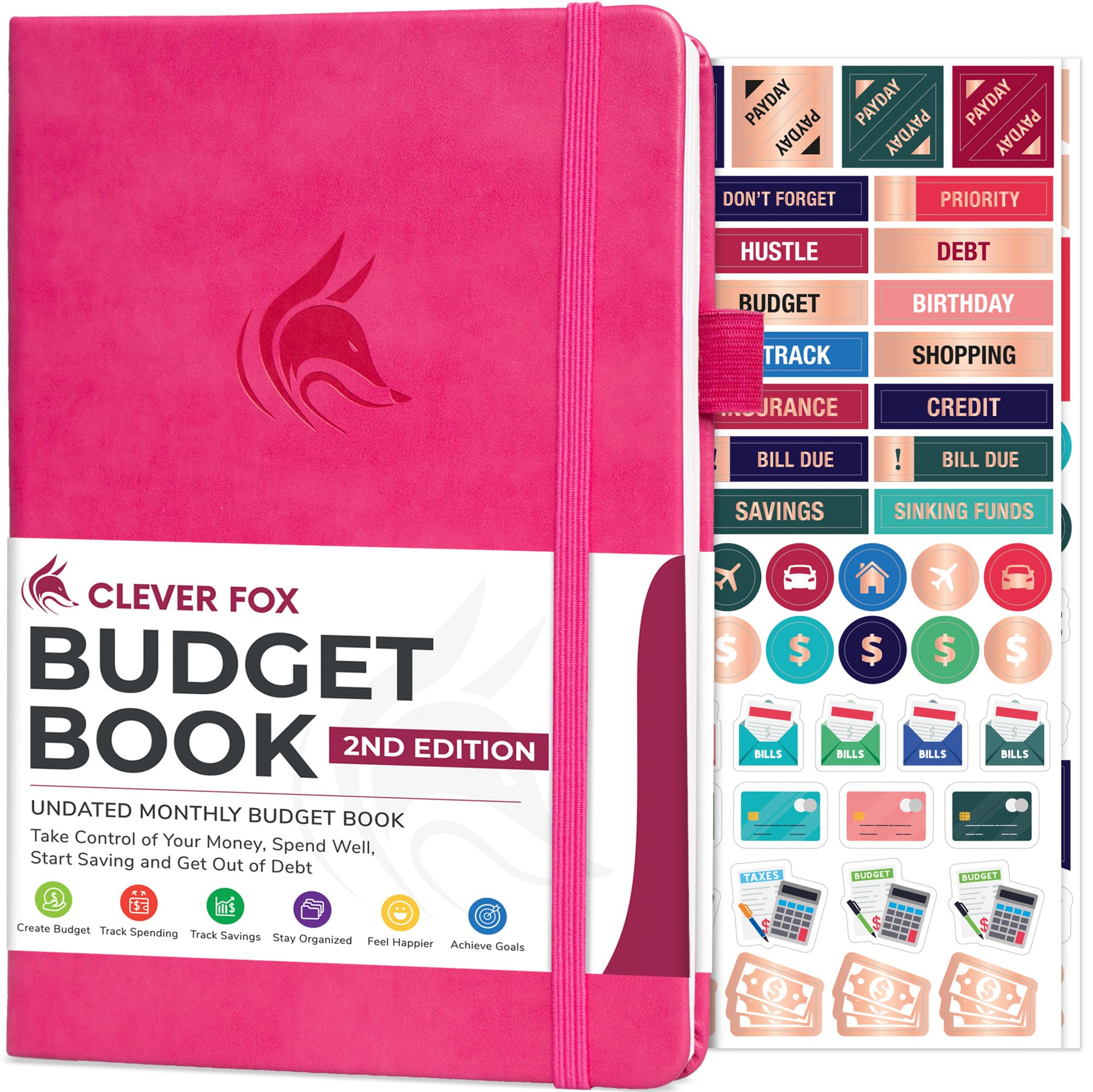
- Compact 5.3 by 7.7 inch format
- Includes eight savings and eight debt trackers
- Has a receipt pocket, pen loop, and ribbon bookmark
Best For: Beginners who want a portable monthly planner for bills, spending, savings, and debt.

Clever Fox Bi Weekly Budget Planner
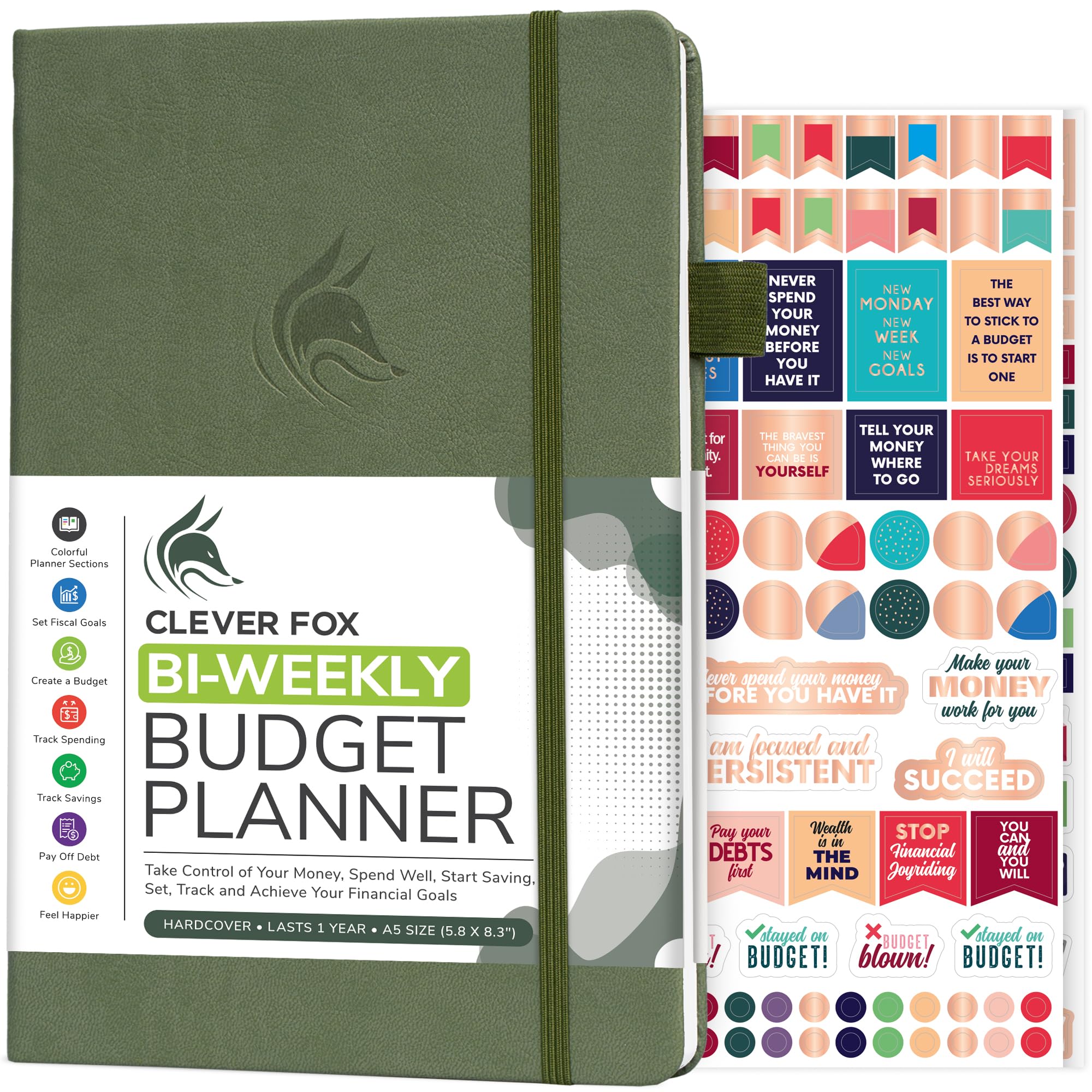
- Undated, with a 12-month planning span
- Biweekly sections cover budgets, deadlines, and daily expenses
- A5 planner with lay-flat binding and a receipt pocket
Best For: People who want to plan bills and expenses in dedicated biweekly sections.
Clever Fox Budget Planner Spiral
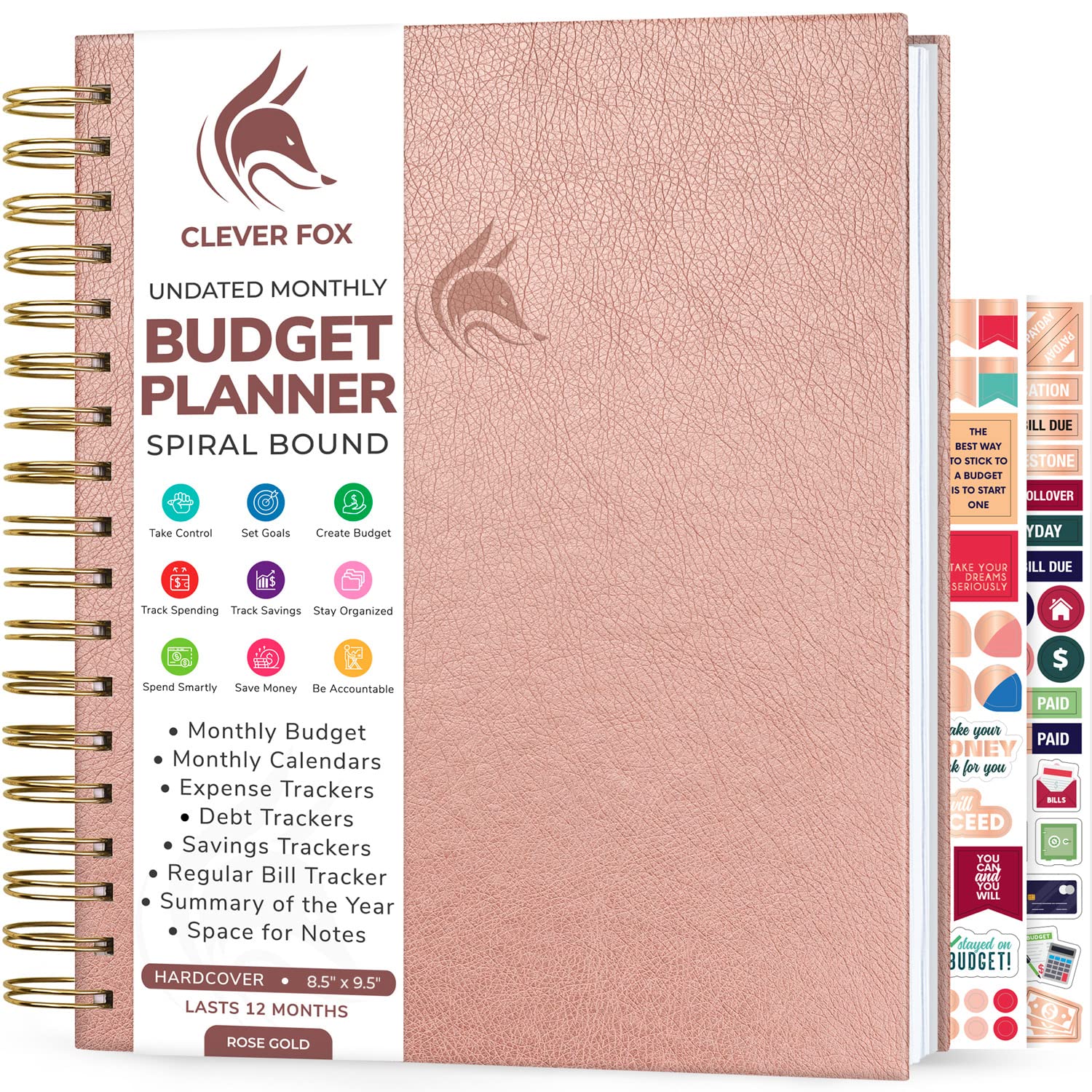
- Large 8.5 by 9.5 inch monthly planner
- Includes three cash envelopes, stickers, and a gift box
- Tracks eight savings goals and twelve debts
Best For: Budgeters who want a large monthly book with cash envelopes and detailed debt and savings tracking.
Clever Fox Budget Planner & Bill Organizer
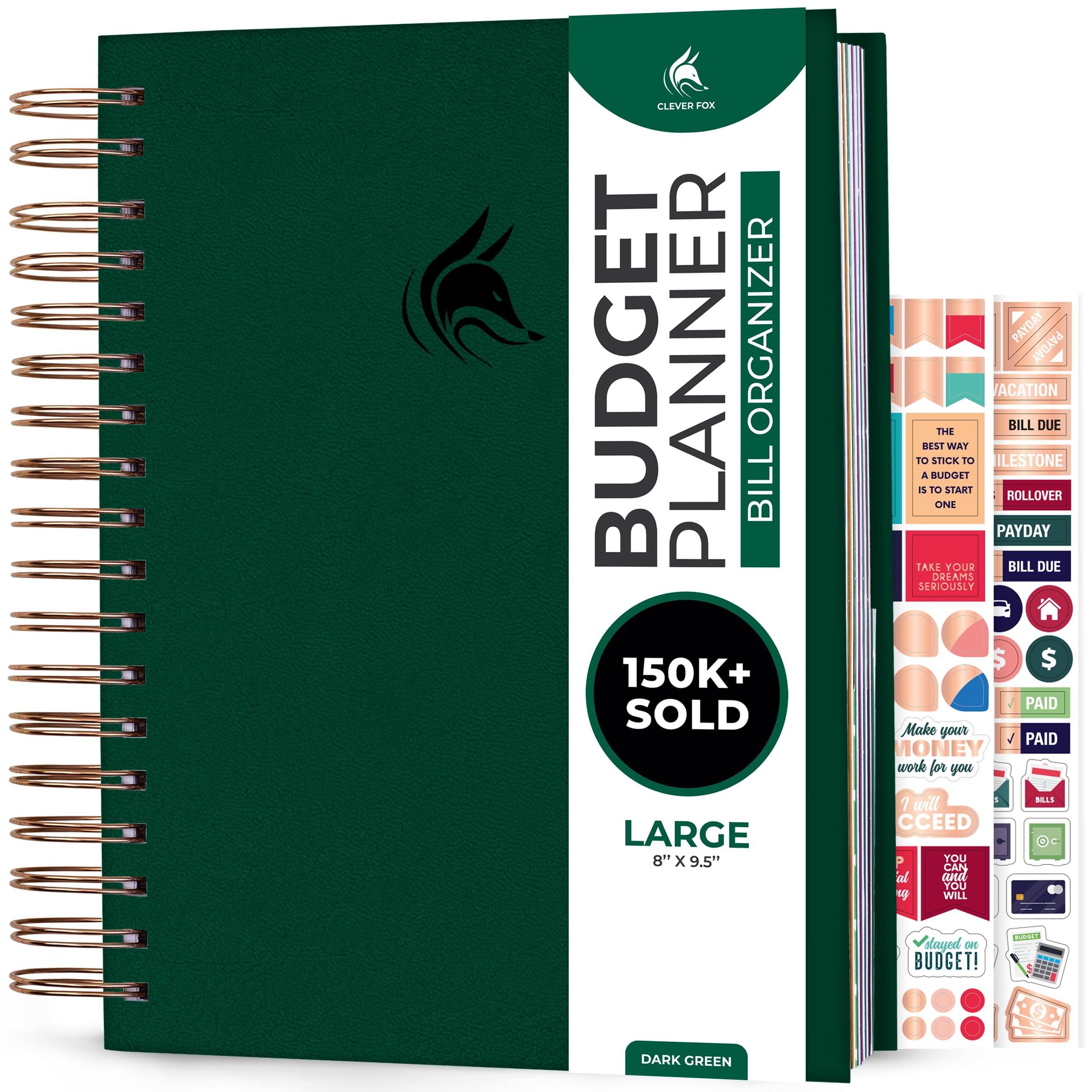
- Large 8 by 9.5 inch format
- Twelve laminated bill pockets organize financial papers
- Combines daily expense tracking with monthly reviews
Best For: Households that want monthly budgeting plus pockets to organize bill papers.
Clever Fox Planner PRO Premium
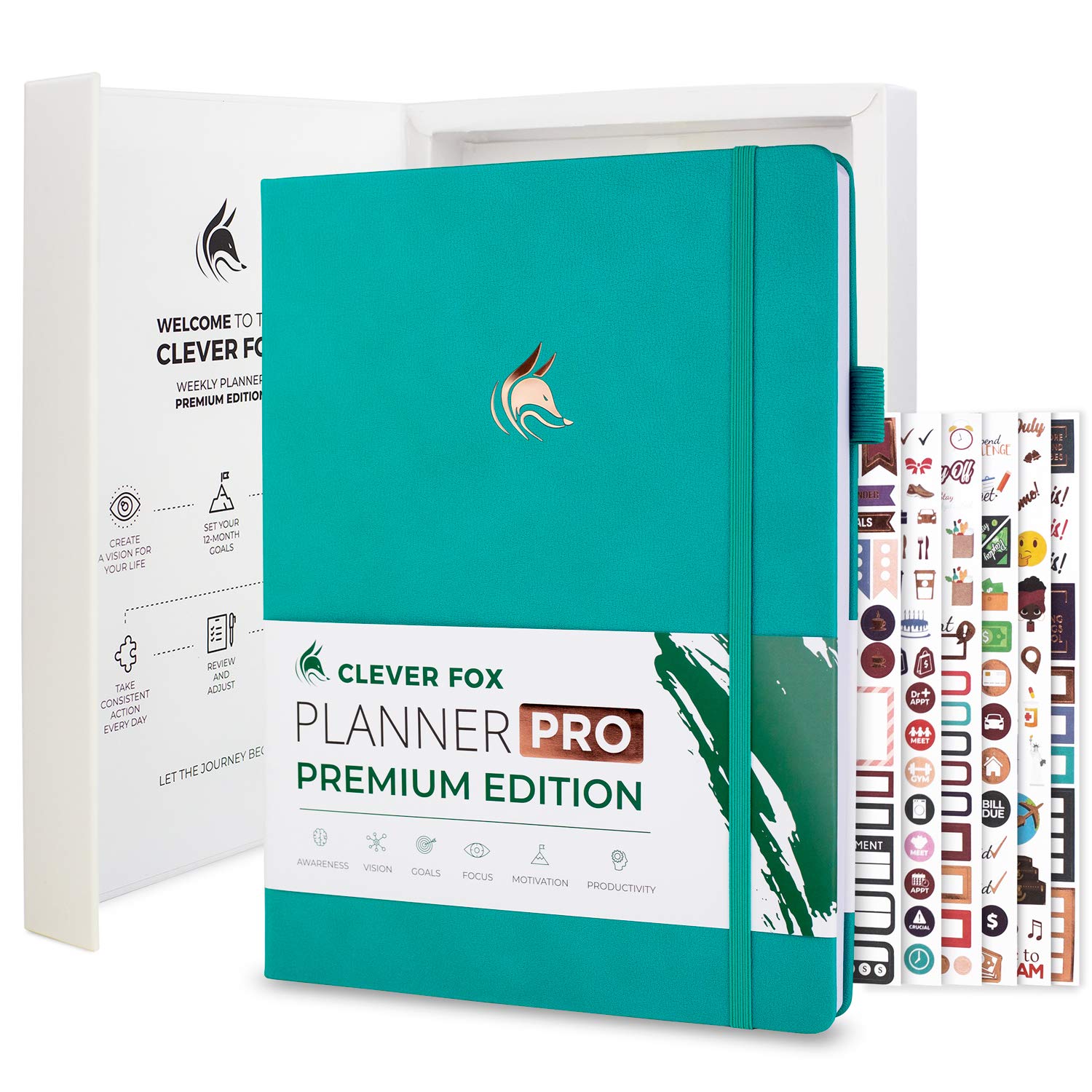
- Undated A4 planner with weekly, monthly, and budgeting sections
- Combines weekly planning pages with monthly calendars and budgets
- Includes lay-flat binding, bookmarks, and a pen loop
Best For: People who want one undated planner for weekly schedules, monthly goals, and budgeting.
Compact Planner for Beginners
Clever Fox Budget Book 2.0 – Simple Budgeting Planner for Beginners – Financial Notebook with Money Spending, Debt & Bill Tracker (Hot Pink)
The Clever Fox Budget Book 2.0 keeps monthly planning in a compact 5.3 by 7.7 inch format. Each month has space to make a budget, set goals, plan bills and purchases, and track day-to-day spending.
Eight savings trackers and eight debt trackers give the planner room for more than routine expenses, while a regular bill tracker and two dotted note pages per month cover additional details. Its colorful pages, receipt pocket, pen loop, and ribbon bookmark suit people who want a small book with useful extras.
The tradeoff is that its monthly layout is not as specifically organized around biweekly pay periods as the dedicated biweekly option.
Best For: Beginners who want a portable monthly planner for bills, spending, savings, and debt.
| Pros | Cons |
|---|---|
|
|
Choose this book if you want a compact monthly budget planner with dedicated savings and debt pages. Its receipt pocket and pen loop add convenient ways to keep paper records and a writing tool with the planner.
The layout is oriented around monthly planning, so people who want detailed pay-period sections may prefer a biweekly format. Before buying, consider whether the 5.3 by 7.7 inch page size offers enough room for the detail you want to write down.
Paycheck-by-Paycheck Planning
Clever Fox Bi Weekly Budget Planner – Undated Financial Organizer Book – Expense Tracker, Budgeting & Bill Notebook, A5 (Cypress)
The Clever Fox Bi Weekly Budget Planner is built around biweekly budgeting, with sections for setting a budget, marking important dates and payment deadlines, and tracking daily expenses. It is undated and designed to last 12 months, so buyers can begin when it suits their schedule.
Alongside routine budget pages, it includes annual financial goal setting, strategy and tactics pages, and a net-worth estimate. Its 5.8 by 8.3 inch A5 format includes lay-flat binding, an elastic band, pen loop, three bookmarks, and a receipt pocket.
This structure suits pay-period planning, though someone who prefers a simpler monthly overview may not need all of its framework.
Best For: People who want to plan bills and expenses in dedicated biweekly sections.
| Pros | Cons |
|---|---|
|
|
This is the clearest fit for someone who wants to review money on a biweekly rhythm. Its deadline and daily expense spaces connect each pay period to bills and spending, while annual goals and a net-worth estimate add a longer-range view.
The tradeoff is a more structured system than a basic monthly budget book. Check that the 5.8 by 8.3 inch format has enough writing room for your entries and that its biweekly organization matches how you handle income and bills.
Cash Envelope Budgeting
Clever Fox Budget Planner – Coiled Finance Book, Monthly Financial Journal, Budgeting Organizer & Expense Tracker Notebook, 8.5x9.5″ (Rose Gold)
The Clever Fox Budget Planner Spiral provides large-format pages for monthly budget plans and reviews. Its undated format lasts 12 months and includes expense tracking, a bill tracker, a check register, holiday budgeting, and savings and debt trackers.
Three durable cash envelopes make it a practical choice for people who allocate some spending in cash, while spiral binding and a receipt pocket support paper-based organization. The generous page area comes with a portability tradeoff: this is a larger planner than the compact options in this roundup.
Its cash envelopes and detailed trackers set it apart from a basic monthly log.
Best For: Budgeters who want a large monthly book with cash envelopes and detailed debt and savings tracking.
| Pros | Cons |
|---|---|
|
|
Pick this option if cash-envelope budgeting is part of your routine and you want several kinds of financial tracking in one monthly book. It combines bill and check tracking with holiday budgeting, plus dedicated savings and debt pages.
The large 8.5 by 9.5 inch format gives you a broad workspace, but is less suited to buyers prioritizing a compact planner. Check that its spiral-bound size fits where you plan to write and store it.
Bill Storage and Monthly Reviews
Clever Fox Budget Planner & Monthly Bill Organizer With Pockets. Expense Tracker, Budgeting Journal & Financial Book. Large, 8x9.5" (Dark Green)
This large Clever Fox planner combines monthly spending plans and daily expense tracking with a place to organize financial papers. Twelve laminated bill pockets can keep bills together by month, and monthly reviews provide a regular point to consider how the budget is going.
The planner also includes pages for setting financial goals, planning steps toward them, and tracking savings, debt, payments due, and expenses. Its 8 by 9.5 inch format has a spiral binding, thick paper, stickers, a user guide, and a keepsake gift box.
Choose it when bill-paper storage is a priority; its large format is less convenient for carrying than a compact budget book.
Best For: Households that want monthly budgeting plus pockets to organize bill papers.
| Pros | Cons |
|---|---|
|
|
Choose this organizer if keeping bill paperwork with your budget is as important as recording expenses. Its twelve laminated pockets make that role distinctive, and its monthly review and financial-goal sections provide a recurring planning routine.
The main tradeoff is its large 8 by 9.5 inch format. Consider where you will keep the planner and whether you need the extra paper storage before choosing it over a smaller monthly book.
Budgeting Alongside Weekly Planning
Clever Fox Planner Pro Premium – Luxurious Weekly & Monthly Planner with Budget Organizer for Productivity & Goals, Undated, A4 (Viridian)
The Clever Fox Planner PRO Premium combines personal planning and budgeting in an undated A4 format. It has spacious weekly pages, monthly calendars, goal-setting tools, and monthly budgeting sections, allowing a buyer to keep schedule and financial planning in one book.
Because it is undated, it can be started at any time of year without leaving dated pages unused. The premium extras include lay-flat binding, an elastic band, three bookmarks, a pen loop, a pocket for loose notes, stickers, and a user guide.
Its broader life-planning scope makes it less focused on detailed bill or debt tracking than the dedicated budget books here.
Best For: People who want one undated planner for weekly schedules, monthly goals, and budgeting.
| Pros | Cons |
|---|---|
|
|
This planner fits someone who wants a weekly schedule and a monthly budget in the same book. Its undated format supports starting whenever convenient, and the A4 layout gives its weekly and monthly planning sections room to work together.
The tradeoff is that its finance pages sit within a broader productivity planner, rather than a book centered on bills, debt, and savings trackers. Check whether its general monthly budget sections offer the financial detail you need.
How to Choose Budget Planners
How We Picked Budget Planners
All five candidates are actual financial planners, but they serve different paper-planning routines. We prioritized useful budgeting structure: monthly spending and bill tracking, biweekly pay-period planning, financial goal and debt pages, and ways to keep receipts or bill papers with the book.
Each option also brings a distinct format or organizational feature that changes how it may fit into everyday use.
A generic keyword like best budget planners can hide important differences. A compact monthly book suits a buyer who wants a portable place for spending and bill entries.
A biweekly layout is more naturally organized around pay periods. Larger books can offer cash envelopes, bill pockets, or more writing room, while a combined weekly and budget planner suits someone who wants fewer separate books.
Comparing Budget Planners
Start with the rhythm you will actually use. The Budget Book 2.0 follows a monthly structure and adds savings and debt trackers in a compact format.
The Bi Weekly Budget Planner gives pay periods their own detailed sections, including payment deadlines and daily expenses. If your routine is based on monthly reviews, the spiral planner and bill organizer both offer monthly planning, but the spiral planner adds cash envelopes and a check register while the organizer has twelve bill pockets.
The Planner PRO Premium has monthly budgeting sections, but they sit alongside weekly schedules, calendars, and goal planning. That makes it a different kind of financial organizer from a budget-only workbook.
Compare the type of tracking you need first, then consider whether each book’s layout gives you enough space to keep up with it.
| Product | Standout features | Best for |
|---|---|---|
| Clever Fox Budget Book 2.0Check Price |
| Beginners who want a portable monthly planner for bills, spending, savings, and debt. |
| Clever Fox Bi Weekly Budget PlannerCheck Price |
| People who want to plan bills and expenses in dedicated biweekly sections. |
| Clever Fox Budget Planner SpiralCheck Price |
| Budgeters who want a large monthly book with cash envelopes and detailed debt and savings tracking. |
| Clever Fox Budget Planner & Bill OrganizerCheck Price |
| Households that want monthly budgeting plus pockets to organize bill papers. |
| Clever Fox Planner PRO PremiumCheck Price |
| People who want one undated planner for weekly schedules, monthly goals, and budgeting. |
Choosing a Budget Planner Size and Layout
The listed formats span 5.3 by 7.7 inches for the Budget Book 2.0, 5.8 by 8.3 inches for the biweekly planner, 8 by 9.5 inches for the bill organizer, 8.5 by 9.5 inches for the spiral planner, and A4 for Planner PRO Premium.
Smaller formats are easier to carry, while large pages offer more room for writing and, in some cases, physical bill storage or cash envelopes. Think about where you will fill out the planner and whether it will mostly stay at home or travel with you.
Binding and add-ons shape the routine too. The biweekly planner has lay-flat binding and an elastic band; the spiral organizer offers laminated pockets; the monthly spiral planner has cash envelopes; and Planner PRO Premium includes bookmarks and a pen loop.
These details are useful when they support a habit you already want to keep, such as filing paper bills or carrying the book between home and work.
Matching Finance Trackers to Your Routine
Check how each planner handles the records you need. The Budget Book 2.0 has savings and debt trackers plus dotted notes pages.
The spiral planner includes a bill tracker, check register, holiday budget, and multiple savings and debt trackers. The bill organizer focuses on monthly expenses, payments due, and physical paper storage.
The biweekly option emphasizes deadlines and daily spending, while the Planner PRO Premium offers broader monthly budgeting within a weekly productivity system.
Undated pages can help if you are starting midyear or want to choose when a new planning cycle begins. The biweekly planner is undated for a 12-month span, the spiral budget planner also lasts 12 months, and Planner PRO Premium can be started at any time of year.
Check the book’s stated duration and layout before buying so it suits the time frame and financial categories you plan to follow.
Which Budget Planner Fits Your Routine?
Choose the Budget Book 2.0 for a compact monthly format with savings and debt pages. Choose the Bi Weekly Budget Planner if your money routine revolves around pay periods and payment deadlines.
The spiral budget planner is the fit for monthly tracking that uses cash envelopes, while the large bill organizer suits someone who wants monthly planning with pockets for paperwork. Planner PRO Premium works for people who want budgets, weekly schedules, and monthly calendars together.
Before deciding, consider which details you will record regularly, how much writing room you prefer, and whether paper storage or portability matters more. A planner is most useful when its organization matches the routine you will keep using.